Understanding the psychological factors driving gambling behavior
Understanding the psychological factors driving gambling behavior
The Allure of Risk and Reward
The core of gambling behavior is often rooted in the thrill of risk and the potential for reward. Many individuals are naturally drawn to activities that provide a sense of excitement and uncertainty, and gambling uniquely combines both elements. The possibility of winning, particularly a life-changing amount, can trigger a rush of adrenaline, making the experience immensely appealing. This allure can be further amplified by the social aspects of gambling, where players often share the experience, fostering a sense of camaraderie and competition. For those interested in specific promotions, the golden star casino no deposit bonus can be particularly enticing.

This rush is not just a fleeting feeling; it can lead to addictive patterns of behavior. When players consistently experience wins, even if they are small, they can develop a skewed perception of their gambling abilities. This can create a false sense of confidence that drives them to gamble more frequently, in hopes of replicating those high-stakes wins. Consequently, the anticipation of a potential reward can overshadow the reality of the losses incurred, leading individuals deeper into gambling behavior.
Additionally, the psychological mechanism known as “variable reinforcement” plays a crucial role in gambling. Unlike consistent rewards, variable reinforcement—where wins are unpredictable—can significantly increase the behavior. The uncertainty of when a win might occur can lead players to keep betting, as they become conditioned to associate gambling with the thrill of potential gains. This blend of risk and the hope for reward creates a powerful psychological drive that keeps individuals engaged with gambling activities.
The Influence of Cognitive Biases
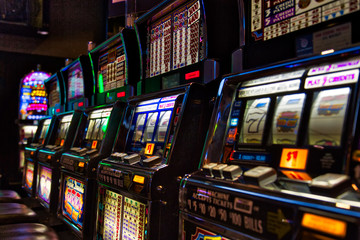
Cognitive biases significantly shape how individuals perceive gambling outcomes. Many players fall victim to the “gambler’s fallacy,” a belief that past events influence future outcomes in random games of chance. For instance, if a player notices a particular slot machine has not paid out recently, they may falsely assume that it is “due” for a win, leading to prolonged gambling sessions. This type of flawed thinking can lead to a cycle of chasing losses, as players attempt to recover money lost in previous bets, often leading to greater financial harm.
Moreover, confirmation bias plays a pivotal role in reinforcing gambling behaviors. Players tend to remember and emphasize their wins while downplaying or forgetting their losses. This selective memory fosters an unrealistic perception of their gambling skills and encourages continued play. Such cognitive distortions can create an illusion of control, where individuals believe they have more influence over the outcome than they actually do, fueling their gambling habits.
Furthermore, the availability heuristic—where individuals base their judgments on immediate examples—can also impact gambling behavior. If a player frequently hears about significant wins from friends or sees advertisements showcasing successful gamblers, they might overestimate their chances of winning. This inflated perception can drive more people to gamble, often disregarding the inherent risks involved, thus perpetuating the cycle of gambling behavior driven by cognitive biases.
The Role of Emotion in Gambling
Emotions play a significant role in gambling behavior, with both positive and negative feelings influencing decisions. Many individuals gamble as a form of escapism, using it as a way to cope with stress, anxiety, or depression. The temporary thrill of winning can provide a sense of relief and distraction from life’s pressures. However, this reliance on gambling to manage emotions can lead to compulsive behaviors, as individuals increasingly turn to gambling to soothe their distress, ultimately creating a dependency.
On the other hand, the emotional highs and lows associated with gambling can also fuel addiction. The euphoria experienced during a win can lead to a desire to chase that feeling repeatedly. Conversely, losses may evoke feelings of anger, frustration, or hopelessness, leading individuals to gamble more in an attempt to regain control or redeem their financial situation. This emotional rollercoaster can create a dangerous cycle that reinforces gambling behavior, making it difficult for individuals to break free.
Furthermore, the social environment around gambling can amplify emotional responses. Whether it’s at a casino or an online platform, the presence of others can increase excitement and pressure to keep playing. Social interactions can lead to shared emotional experiences, where wins are celebrated and losses are quickly forgotten. This collective environment can make it challenging for individuals to assess their gambling behavior objectively, often blurring the line between healthy entertainment and destructive habits.
Social Influences on Gambling Behavior
The social environment significantly impacts gambling behaviors, with peer influence often playing a crucial role. Many individuals are introduced to gambling through friends or family, which can normalize the behavior and create a social acceptance surrounding it. This peer pressure can lead to increased gambling frequency, especially among younger individuals who may feel compelled to fit in or impress their social circles by participating in gambling activities.
Moreover, the availability of online platforms has transformed the landscape of social gambling. With the rise of social media and online gaming, individuals can now gamble from the comfort of their homes while still engaging with others. This has made gambling more accessible and has blurred the lines between casual play and serious gambling. Online communities can both promote healthy gaming habits and contribute to harmful behaviors, as players may feel encouraged to wager more in competitive environments.
Additionally, societal views on gambling have evolved, with more acceptance and legalization across various regions. This shift can lead to a perception that gambling is a harmless form of entertainment rather than a potential risk. Such societal attitudes can further validate and encourage gambling behaviors, particularly among those who may already be predisposed to gambling addiction. Recognizing these social influences is essential for understanding the broader context of gambling behavior and its implications on individuals.
Golden Star Casino: A Safe and Responsible Gaming Environment
Golden Star Casino Australia understands the importance of addressing the psychological factors associated with gambling behavior. As a licensed online gaming platform, it is committed to providing a secure environment where players can enjoy their favorite games without falling into unhealthy patterns. With a user-friendly interface and access to over 3,000 games, players can engage responsibly while experiencing high-quality entertainment.
The casino promotes responsible gambling practices by offering resources and tools that encourage self-awareness and control. Players have access to various options, including deposit limits and self-exclusion features, allowing them to tailor their gaming experiences to suit their personal needs. Golden Star Casino emphasizes player well-being, recognizing that fostering a safe gaming atmosphere contributes to a more enjoyable experience for everyone.
By prioritizing user satisfaction and professional customer service, Golden Star Casino aims to create a positive environment for both new and seasoned players. Their commitment to responsible gaming and awareness of the psychological factors driving gambling behavior reflects a broader understanding of the industry and the responsibility that comes with it. As players navigate their gaming journeys, they can find both excitement and support within the Golden Star Casino community, making it a trusted choice for online gambling in Australia.